Les Espagnols se rassemblent à Huelva pour condamner les agressions sexuelles contre les ouvrières marocaines
25 July 2019
Des insectes à la place des pesticides
8 August 2019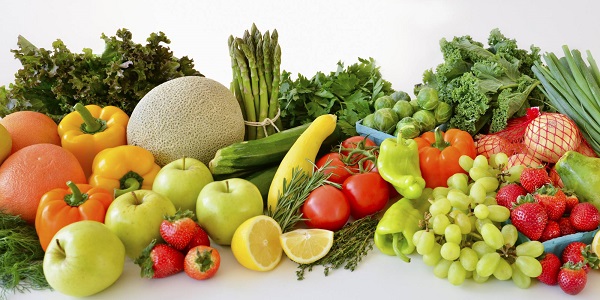
F&L consumption is increasingly recognized for its profound impact on cognitive performance and cardiovascular health, according to a growing body of scientific evidence. Far from being a mere dietary recommendation, the regular intake of fruits and vegetables is emerging as a cornerstone of preventative health, offering a powerful shield against some of the most prevalent and debilitating health issues of our time. This growing appreciation is not without its challenges, however, as global market pressures and agronomic realities increasingly shape the accessibility and affordability of these vital food groups.
The undeniable link between F&L consumption and cognitive function
Recent scientific studies are shedding new light on the intricate relationship between our diets and our brains. A landmark study, published in The Journal of Nutrition, followed a cohort of 3,231 men and women for an impressive 25 years. Through a series of rigorous cognitive tests, researchers identified a significant correlation: individuals who consistently consumed fruits (excluding fruit juices) and vegetables (with the notable exception of potatoes) demonstrated superior cognitive performance. This suggests that the complex array of nutrients, antioxidants, and fiber found in whole fruits and vegetables plays a crucial role in maintaining brain health and function throughout life, potentially delaying age-related cognitive decline.
The implications of these findings are substantial. As global populations age, the burden of cognitive impairment, including dementia and Alzheimer’s disease, is set to increase dramatically. Promoting an increased F&L consumption could therefore be a vital public health strategy to mitigate this growing crisis, enhancing quality of life for millions and reducing the immense societal and economic costs associated with neurodegenerative diseases. The consistent intake of these nutrient-dense foods supports neuronal health, reduces inflammation, and enhances blood flow to the brain, all critical factors for optimal cognitive function.
F&L consumption: A critical factor in preventing cardiovascular disease
Beyond cognitive benefits, the role of fruits and vegetables in safeguarding heart health is equally compelling. Data presented at Nutrition 2019, the annual meeting of the American Society for Nutrition, painted a stark picture of preventable deaths. It was estimated that approximately one in seven cardiovascular deaths globally, totaling around 1.8 million, could be attributed to insufficient fruit intake. Similarly, a lack of adequate vegetable consumption was linked to about 1 million deaths, or one in twelve cardiovascular fatalities. These figures underscore the critical importance of robust F&L consumption patterns for public health.
Cardiovascular diseases remain a leading cause of mortality worldwide. By increasing the intake of fruits and vegetables, individuals can significantly reduce their risk factors. The fiber content helps manage cholesterol levels, while antioxidants combat oxidative stress and inflammation, both key contributors to atherosclerosis and heart disease. Potassium, abundant in many fruits and vegetables, also plays a vital role in regulating blood pressure. This evidence strongly supports the notion that embracing a diet rich in fruits and vegetables is not merely a lifestyle choice but a powerful intervention for enhancing cardiovascular longevity.
Global market pressures and agronomic challenges impacting F&L consumption
Despite the clear health benefits, global market pressures and significant agronomic challenges are increasingly influencing the accessibility and affordability of fruits and vegetables, thereby impacting F&L consumption. The agricultural sector is grappling with a confluence of issues that affect production costs and, consequently, consumer prices. Climate change, with its unpredictable weather patterns, droughts, and extreme temperatures, places immense strain on crop yields and quality. Water scarcity, a growing concern in many regions, further exacerbates these challenges, demanding more efficient irrigation techniques and drought-resistant crop varieties.
Furthermore, the rising cost of agricultural inputs, including fertilizers, energy for machinery and transportation, and labor, directly impacts the “Cost Price” for producers. This Cost Price represents all the expenses incurred from planting and cultivation to harvesting and initial processing. This figure is often significantly higher than the “Selling Price” that farmers can realistically command in the market, especially when faced with intense competition, fluctuations in demand, and retailer margins. This dynamic squeeze on profitability can lead to reduced investment in farming operations, potentially affecting the quantity and quality of produce available, and ultimately hindering widespread F&L consumption.
The agricultural sector, as overseen by organizations like the Organisation des Nations Unies pour l’alimentation et l’agriculture, is constantly seeking innovative solutions to these complex problems. This includes investing in research and development for sustainable farming practices, improving supply chain efficiencies, and advocating for policies that support fair pricing for producers. For instance, in countries like Tunisia, the Ministry of Agriculture plays a crucial role in supporting farmers and ensuring food security, facing similar pressures to balance production costs with market realities. The challenge lies in ensuring that the economic viability of farming is maintained to guarantee the consistent availability of nutritious produce for consumers, thereby supporting sustained F&L consumption.
The Cost Price versus Selling Price dynamic in the F&L sector
The economic viability of fruit and vegetable production is intrinsically linked to the delicate balance between the “Cost Price” and the “Selling Price.” The Cost Price encompasses a wide spectrum of expenditures that farmers undertake. This includes the initial investment in seeds or seedlings, the cost of fertilizers and pesticides (though the trend is towards sustainable and organic alternatives, which can sometimes have higher upfront costs), water for irrigation, fuel for tractors and other machinery, labor for planting, weeding, harvesting, and packaging, and the maintenance of farming equipment. Post-harvest costs, such as transportation from the farm to packing houses or markets, and sometimes initial storage, also form part of this equation. In recent years, the significant global increases in energy prices and the cost of raw materials for fertilizers have dramatically inflated these production costs.
The Selling Price, on the other hand, is determined by a complex interplay of market forces. Supply and demand are primary drivers; a bumper crop might lead to lower prices due to oversupply, while a poor harvest due to adverse weather can drive prices up. Consumer purchasing power, seasonal availability, competition from imported produce, and the distribution channels all play a role. Retailer markups, which cover their operational costs and profit margins, further influence the final price consumers pay. This often creates a significant gap between what it costs a farmer to produce a kilogram of tomatoes or a bunch of carrots and the price at which it appears on the supermarket shelf. When the Selling Price consistently fails to adequately cover the Cost Price, farmers face severe financial strain. This can lead to a reduction in crop diversity, a reluctance to invest in new technologies, and in extreme cases, abandonment of farming altogether. This economic pressure directly threatens the consistent availability and affordability of fresh produce, thereby impacting overall F&L consumption.
The agricultural sector is constantly innovating to address these challenges. Producers are exploring sustainable farming techniques, such as precision agriculture and integrated pest management, to optimize resource use and reduce reliance on costly inputs. Furthermore, advancements in crop breeding are leading to more resilient varieties that can withstand environmental stressors. Initiatives aimed at shortening supply chains and fostering direct farmer-to-consumer relationships, such as farmers’ markets and community-supported agriculture (CSA) programs, can help ensure farmers receive a fairer price for their produce and consumers gain access to fresher, often more affordable, fruits and vegetables. Organizations like HortiTecNews play a vital role in disseminating information about these innovations and best practices across the horticultural industry, fostering collaboration and driving progress in ensuring consistent F&L consumption.
FAQ sur la crise actuelle
Pourquoi le prix de la F&L consumption augmente-t-il ?
L’augmentation des prix des fruits et légumes est multifactorielle. Elle est principalement due à l’augmentation des coûts de production (engrais, énergie, main-d’œuvre), aux aléas climatiques qui affectent les récoltes, aux perturbations des chaînes d’approvisionnement mondiales, et aux marges appliquées par les différents intermédiaires jusqu’au consommateur final. L’objectif est de maintenir une F&L consumption accessible malgré ces contraintes.
Quelles sont les alternatives pour les producteurs face à l’augmentation des coûts ?
Les producteurs explorent diverses alternatives pour maintenir leur rentabilité. Cela inclut l’adoption de techniques d’agriculture durable et de précision pour optimiser l’utilisation des ressources, l’investissement dans des cultures plus résistantes aux conditions climatiques changeantes, la diversification des cultures pour réduire la dépendance à un seul produit, et le développement de circuits courts de distribution pour obtenir de meilleurs prix de vente.
Comment la politique agricole peut-elle soutenir la F&L consumption ?
Les politiques agricoles peuvent soutenir la F&L consumption par le biais de subventions ciblées pour les agriculteurs, de programmes visant à encourager les pratiques agricoles durables, de mesures de soutien à la recherche et au développement de nouvelles variétés, et de régulations qui assurent une rémunération juste aux producteurs tout en maintenant des prix abordables pour les consommateurs. L’objectif est de garantir la disponibilité et l’accessibilité des fruits et légumes sur le long terme.