Inédit : La pastèque, le fruit d’été qui a des propriétés du “viagra” !
24 July 2014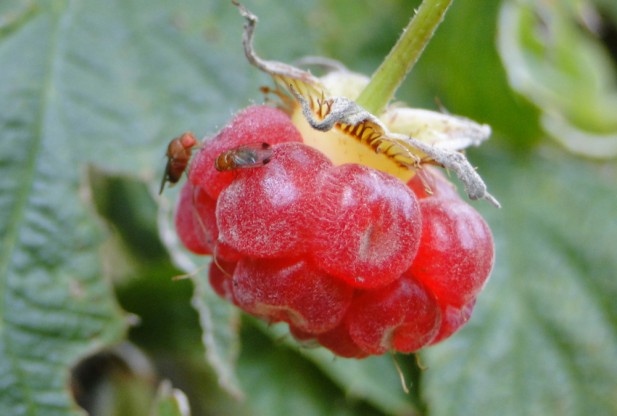
Driscoll’s a “beaucoup appris” sur les méthodes de contrôle de la Drosophile
24 July 2014.jpg)
The precarious state of Florida’s citrus industry is reaching a critical juncture, with the devastating impact of citrus greening threatening to curtail production to levels not seen in over three decades. This insidious and currently incurable bacterial disease, scientifically known as Candidatus Liberibacter asiaticus, is wreaking havoc not only across the Sunshine State but on citrus plantations globally. The economic ramifications for Florida are staggering, impacting a sector that generates an estimated $9 billion in revenue and supports approximately 75,000 jobs statewide. Without effective mitigation strategies, these vital employment opportunities face an existential threat in the coming years due to Greening Floride.
Greening Floride: A Looming Production Crisis
Recent projections from the U.S. Department of Agriculture’s National Agricultural Statistics Service paint a grim picture for the 2013-14 citrus season. Forecasts anticipate a meager output of just 104.3 million boxes of Florida oranges, a significant decline from the 133.6 million boxes harvested in the 2012-13 season. This represents a stark 28% drop from an already historically low production year. Should these estimates hold true, Florida’s orange harvest would be the smallest since the 1984-1985 season, a period significantly impacted by severe frost events. This anticipated scarcity has already precipitated a noticeable surge in both wholesale and retail orange prices, signaling a tangible impact on the supply chain and consumer costs. “Across the state, the numbers are down,” observed David Griffis, Director of the University of Florida IFAS Extension in Volusia County. “While a cure remains elusive, Griffis acknowledges that some promising research advancements are being made.”
Scientific Advancements Amidst Economic Despair
In a concerted effort to combat the relentless spread of citrus greening, researchers have made significant strides. Recent months have seen the successful mapping of the bacterium’s genome, providing a critical foundation for understanding its vulnerabilities. Furthermore, experimental trials involving a parasitic wasp known to prey on the Asian citrus psyllid, the primary vector of the disease, have yielded positive results in laboratory settings. These biological control efforts, coupled with laboratory experiments demonstrating the efficacy of certain chemical combinations in inhibiting bacterial growth, offer glimmers of hope. However, the economic reality on the ground for many producers is dire. The catastrophic situation has compelled some growers to abandon their orchards, opting instead to sell their land for alternative development. A poignant example is a 35-acre grove on Jacobs Road in DeLand, now on the market to be repurposed as a residential subdivision. Sarah Hagstrom, a descendant of a prominent North Florida agricultural family, expressed a widespread sentiment: “It feels like our citrus industry is on a path to extinction unless scientists can develop new, disease-resistant varieties.” The ongoing struggle against Greening Floride underscores the urgent need for innovative agricultural solutions.
Market Repercussions and Global Implications
The precipitous decline in Florida’s citrus output has far-reaching consequences that extend beyond the state’s borders. As a major global supplier of oranges and orange juice, a significant reduction in its harvest directly impacts international trade flows and market stability. Importers, particularly those reliant on Florida’s consistent supply, are now facing increased sourcing costs and potential shortages. This heightened demand for alternative supplies can strain resources in other producing regions and potentially lead to price volatility across the global citrus market. For insights into global agricultural trends and challenges, the Food and Agriculture Organization of the United Nations (FAO) provides invaluable data and analysis. The economic ecosystem of the citrus industry, from the farm gate to the consumer, is intricately linked, and disruptions in one major producing region inevitably send ripples throughout the entire chain. The long-term viability of citrus farming in Florida, and indeed in other regions grappling with similar pest and disease pressures, hinges on a multi-faceted approach combining scientific research, effective pest management, and adaptive farming practices.
The challenges presented by Greening Floride are not unique to the United States; similar issues are being confronted by citrus growers worldwide. For a broader perspective on agricultural markets and their dynamics, resources such as FreshPlaza Asia offer a global overview of the sector. The quest for sustainable solutions to protect and revitalize citrus orchards is a paramount concern. This includes not only developing disease-resistant varieties but also exploring advanced horticultural techniques, integrated pest management (IPM) strategies, and potentially novel biotechnological interventions. The future of Florida’s citrus industry, a cornerstone of its agricultural heritage and economy, depends on continued investment in research and development, strong collaboration between growers and scientists, and a resilient approach to overcoming the persistent threat of citrus greening. The industry is at a crossroads, and the actions taken in the coming years will determine its trajectory. Continuous updates on these developments can be found on HortiTecNews.