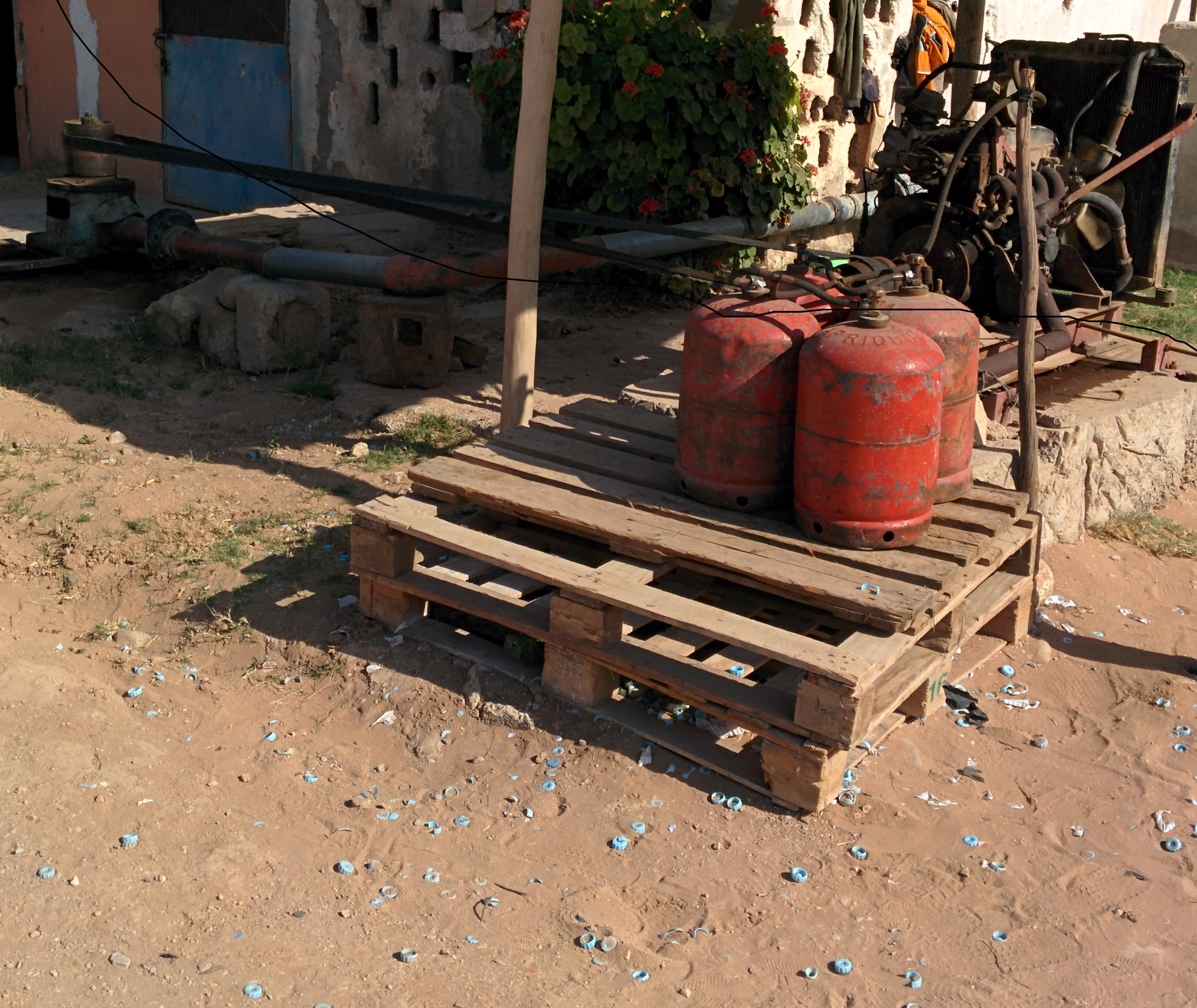
Tant que le butane sera subventionné, les agriculteurs n’iront pas vers les énergies renouvelables
19 July 2014
Le Maroc, premier partenaire commercial africain et arabe de la Russie
19 July 2014.jpg)
The Dutch horticultural sector, renowned globally for its innovation and productivity, is facing a significant paradox. Despite an apparent oversupply in the market, leading financial institutions like Rabobank are advocating for continued investment in modernization and innovation. This delicate balancing act highlights the complex challenges and strategic imperatives facing what is often termed “Horticulture Hollandaise.”
The Paradox of Oversupply in Horticulture Hollandaise: Innovation as the Only Way Forward
Cor Hendriks, Director of the Horticulture Sector at Rabobank, a primary financier of Dutch horticulture, recently sounded a stark warning: “Holland produces more than it can market. We are our own competitor and must improve our sales structures. The situation is untenable.” This statement encapsulates the core dilemma. The industry is grappling with an excess of product, pushing an increasing number of businesses to the brink of financial distress.
This situation seems counterintuitive to Rabobank’s continued facilitation of expansion plans within the sector. Hendriks acknowledges the internal debate: “There is discord on the subject. The sector is going through a difficult period. But renewal and innovation cycles must continue. A sector’s capacity for innovation largely determines its competitiveness. It is a difficult decision, but the sector must remain capable of keeping pace with innovations, modernization, and knowledge levels.”
The enthusiasm for investment is visibly waning. Hendriks points to a critical metric: “Out of 10,000 hectares of horticultural greenhouses, assuming a lifespan of 20 years, 500 hectares must be replaced annually. Over the past three years, there have been barely 300 hectares of new construction, whereas this figure should ideally be 1500 to maintain the pace of modernization!!!”
The Financial Strain on Dutch Growers
The financial repercussions of this oversupply are severe. Many businesses are struggling to remain profitable. Hendriks candidly admits, “There are certainly many companies in difficulty, and for many of them, this will lead to bankruptcy.” The severity of the situation is directly linked to market prices. “If next season’s prices remain at this level, countless companies will have significant problems,” he warns.
Specific product segments are bearing the brunt of this pressure. Bell peppers, for instance, have experienced their fourth consecutive year of losses, with only the 2012-2013 period offering a brief respite. The tomato market, while more varied, has also seen challenging years. In 2009, 2011, and 2013 were poor, while 2010 and 2012 offered moderate returns. This variability underscores the fluctuating nature of agricultural commodity markets.
Segmentation and the Quest for Distinctiveness
Hendriks notes a growing segmentation within the tomato market, with a significantly higher number of niche products and greater distinctive power compared to bell peppers. This observation leads to a crucial strategic question for growers:
“Why would you approach a market separately if you are not distinctive? You need to have enough leverage with a profit model based on distinctiveness to achieve a reasonable price. If you are not distinctive in an oversupplied market, you are competing against each other. So why not work together?” This rhetorical question points towards the potential for collaborative sales and marketing strategies as a viable solution.
Rabobank’s message to Dutch growers is unambiguous: the status quo is unsustainable. The bank’s continued investment is contingent on a clear market orientation and a commitment to innovation. They will specifically support companies with robust business plans that demonstrate above-average performance, even for expansion projects. This selective approach aims to foster a more resilient and competitive horticultural sector.
Navigating the Future of Horticulture Hollandaise
The implications of this oversupply and the proposed solutions extend beyond Dutch borders. As a major global exporter of horticultural products, any significant disruption within the Netherlands can have ripple effects across international markets. Importers and retailers will need to adapt to potentially shifting supply dynamics and a greater emphasis on product differentiation.
The push for innovation is not merely about adopting new technologies; it’s about developing products and business models that meet evolving consumer demands and differentiate Dutch produce in a crowded global marketplace. This might involve a greater focus on sustainability, unique varieties, enhanced traceability, or value-added products. The Dutch agricultural sector has a long history of adapting to challenges, and its ability to embrace these new imperatives will be key to its future success. For insights into global agricultural trends and challenges, resources from organizations like the Food and Agriculture Organization of the United Nations (FAO) offer valuable context.
The question of whether this situation will lead to a concentration of sales within the sector remains to be seen. However, Rabobank’s stance signals a clear direction: survival and growth will depend on strategic differentiation, collaborative efforts, and a steadfast commitment to innovation. Growers and stakeholders who can adapt to these demands will be best positioned to thrive in the evolving landscape of global horticulture.
For more information on the latest developments in the horticultural industry and to explore solutions for enhancing market competitiveness, visit hortitecnews.com.
Market Outlook and Conclusion
The Dutch horticultural sector is at a crossroads. The current oversupply presents significant financial challenges for many growers. However, Rabobank’s strategic commitment to innovation and modernization offers a pathway forward. The emphasis on distinctive products and market-oriented business plans suggests a future where collaboration and differentiation will be paramount.
While some companies may face bankruptcy, those that embrace innovation, seek market advantages through specialization, and potentially explore collaborative sales structures are likely to endure and prosper. The “Horticulture Hollandaise” brand is built on a foundation of technological prowess and adaptability, qualities that will be essential in navigating these turbulent times and maintaining its leading position in the global agricultural arena.