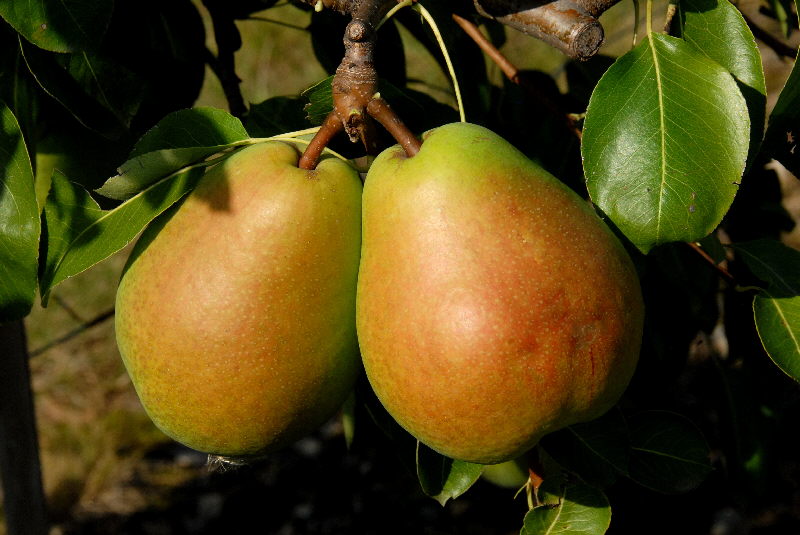
Une nouvelle variété de poire résistante au feu bactérien
5 February 2015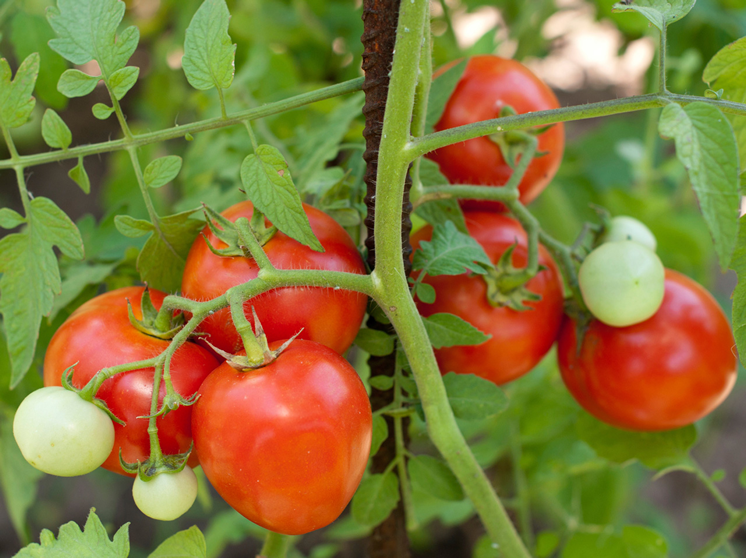
Des tomates modifiées génétiquement pour éliminer le cholestérol
5 February 2015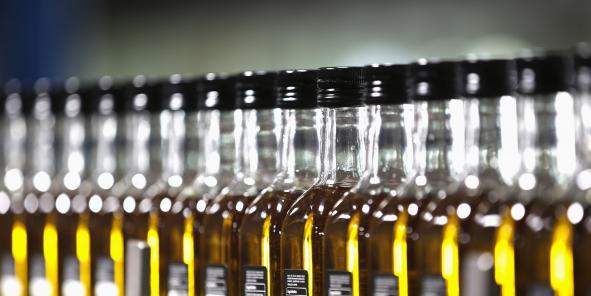
Olive oil export volumes from Tunisia have demonstrated a robust performance, reaching 50,000 tonnes with a significant value of 320 million dinars during the period from November 2014 to the end of January 2015. This figure, compiled by the Directorate General of Production, underscores the vital role of olive oil in the Tunisian economy and its importance in the global market. The continued success of the olive oil export sector relies on a combination of favorable production conditions, strategic market access, and effective management of the entire value chain, from cultivation to final delivery to international consumers. Understanding the nuances of this sector is crucial for grasping the economic dynamics at play. The consistent demand for Tunisian olive oil on the international stage highlights its quality and competitive pricing, making the olive oil export a cornerstone of agricultural trade for the nation.
Tunisia’s Olive Oil Export: A Snapshot of Early Season Performance
The production season for 2014-2015 projected an impressive olive harvest of approximately 1.4 million tonnes, anticipated to yield around 280,000 tonnes of olive oil. This projection sets a positive tone for the overall olive oil export capabilities of the country. According to the Directorate General of Agricultural Production, the price of olives in the production regions during January 2015 fluctuated between 800 and 1250 millimes per kilogram. These price variations are a natural consequence of market supply and demand, as well as regional differences in yield and quality. The agricultural sector is inherently susceptible to these fluctuations, and managing them effectively is key to ensuring the profitability of olive oil export operations. The agronomic challenges faced by olive growers, such as water stress exacerbated by climate change and the rising costs of essential inputs like fertilizers and labor, directly impact production volumes and, consequently, the potential for olive oil export. These factors create a delicate balance that producers must navigate to maintain competitiveness in the global arena.
The olive harvest, which commenced in November, had achieved a national progress rate of 70% by the end of January 2015. Regional variations in harvest advancement were notable, with the South leading at 99%, followed by the North (88%), the Sahel region (84%), and the Center (72%). This staggered harvesting pattern allows for a more continuous processing and smoother flow of olive oil export activities throughout the season. In January 2015, approximately 1155 olive oil mills were operational, possessing a combined daily processing capacity of 32,000 tonnes of olives. The oil extraction rate varied between 16% and 22%, dependent on olive varieties and production zones. These technical aspects are critical for maximizing the yield of high-quality oil, directly influencing the volume and value of the olive oil export market. The efficiency of these mills and the skill of their operators play a pivotal role in determining the final product’s quality and quantity, thereby impacting the nation’s ability to meet international demand for olive oil.
Navigating Global Market Pressures and Ensuring Profitability in Olive Oil Export
The global market for olive oil is characterized by intense competition and evolving consumer preferences. Countries like Spain, Italy, and Greece have long dominated the international scene, making it a continuous challenge for emerging exporters like Tunisia to carve out and maintain their market share in the olive oil export sector. Global market pressures stem from various factors, including trade agreements, fluctuating currency exchange rates, and the imposition of tariffs, all of which can significantly affect the profitability of olive oil export. Furthermore, the increasing consumer awareness regarding health benefits associated with olive oil, particularly extra virgin varieties, has driven demand but also heightened expectations for quality and traceability. This necessitates adherence to stringent international standards and certifications, adding another layer of complexity to the olive oil export process. Producers and exporters must remain agile, adapting to these market dynamics and continuously investing in quality improvement and market diversification to sustain their presence in the competitive landscape of olive oil export.
The economic viability of olive oil production and, by extension, olive oil export, hinges on the delicate interplay between cost price and selling price. The cost price encompasses all expenses incurred from cultivation to the point of sale, including labor, fertilizers, water, pest control, harvesting, transportation, milling, packaging, and marketing. Fluctuations in input costs, such as energy prices affecting transportation and milling, or the cost of agricultural supplies, can directly increase the cost price. The selling price, on the other hand, is determined by global market dynamics, supply and demand, quality, and brand positioning. When the selling price falls below the cost price, producers face losses, which can jeopardize their ability to continue production and, consequently, impact future olive oil export volumes. This disparity can lead to reduced investment in orchards, outdated processing technologies, and a decline in overall production quality. Ensuring a sustainable olive oil export requires strategies that either reduce production costs through efficiency and innovation, or command higher selling prices through superior quality, unique varietals, or strong branding and marketing efforts. Collaboration with organizations such as the Organisation des Nations Unies pour l’alimentation et l’agriculture can provide valuable insights and support in navigating these economic complexities.
Les alternatives pour les producteurs
Face aux défis économiques et aux pressions du marché mondial, les producteurs tunisiens d’huile d’olive explorent diverses stratégies pour optimiser leur rentabilité et assurer la pérennité de leurs exploitations. L’une des voies consiste à diversifier les produits dérivés de l’olivier, au-delà de la simple huile d’olive. Cela peut inclure la production d’olives de table de variétés spécifiques, la fabrication de savons à base d’huile d’olive, ou encore l’utilisation des sous-produits de l’extraction pour des applications industrielles ou cosmétiques. L’amélioration de la qualité de l’huile d’olive est également une stratégie primordiale. Investir dans des techniques de culture plus durables, telles que l’irrigation efficiente pour lutter contre le stress hydrique, et adopter des méthodes de récolte et de transformation qui préservent au mieux les arômes et les propriétés nutritionnelles de l’huile, permet d’obtenir des produits à plus forte valeur ajoutée. Ces huiles de qualité supérieure peuvent prétendre à des prix de vente plus élevés sur les marchés internationaux. La certification biologique ou l’obtention d’appellations d’origine protégée (AOP) sont d’autres leviers pour différencier l’offre tunisienne et accéder à des segments de marché plus rémunérateurs, renforçant ainsi la position de la Tunisie dans l’olive oil export. Il est également crucial d’améliorer l’efficacité logistique et de réduire les coûts de transport et de stockage pour optimiser la marge bénéficiaire sur chaque transaction d’olive oil export.
FAQ sur la crise actuelle
Pourquoi le prix de la Olive oil export tunisienne est-il sujet à des fluctuations ?
Le prix de l’olive oil export tunisienne est influencé par plusieurs facteurs, notamment la quantité produite lors de la saison (récolte plus ou moins abondante), les coûts de production (intrants agricoles, main-d’œuvre, énergie), la demande mondiale, les cours sur les marchés internationaux, ainsi que les taux de change. Les variations climatiques peuvent également avoir un impact direct sur le volume et la qualité de la récolte, entraînant des ajustements de prix.
Comment la Tunisie assure-t-elle la qualité de son huile d’olive exportée ?
La Tunisie s’efforce de respecter les normes internationales de qualité pour son huile d’olive. Cela implique le respect des bonnes pratiques agricoles, des techniques de récolte et de transformation qui préservent l’intégrité du fruit, et l’application de méthodes d’extraction modernes dans les huileries. Des contrôles qualité sont effectués à différentes étapes pour garantir que l’huile exportée réponde aux standards requis par les marchés importateurs. Pour plus d’informations sur les politiques agricoles, on peut consulter le site du Ministère de l’Agriculture tunisien.
Quels sont les principaux marchés d’exportation de l’huile d’olive tunisienne ?
Les principaux marchés d’exportation de l’huile d’olive tunisienne incluent traditionnellement les pays de l’Union Européenne (comme l’Italie, la France et l’Espagne), les États-Unis, le Canada, ainsi que des pays du Moyen-Orient et d’Afrique. La diversification des marchés est une stratégie clé pour réduire la dépendance vis-à-vis de quelques marchés clés et pour maximiser les opportunités de vente dans le cadre de l’olive oil export.
Quel est l’impact des conditions météorologiques sur l’olive oil export ?
Les conditions météorologiques jouent un rôle crucial. Des périodes de sécheresse prolongée, des gelées tardives ou des pluies excessives pendant la floraison ou la formation des fruits peuvent considérablement réduire le rendement des oliviers. Inversement, des conditions climatiques favorables favorisent une récolte abondante, ce qui peut augmenter les volumes disponibles pour l’olive oil export, tout en pouvant potentiellement exercer une pression à la baisse sur les prix si l’offre excède la demande.
Comment l’innovation peut-elle aider les exportateurs tunisiens d’huile d’olive ?
L’innovation, notamment dans le domaine de l’agriculture de précision, des techniques d’irrigation économes en eau, et des technologies de transformation et de conditionnement, peut améliorer l’efficacité de la production, réduire les coûts et augmenter la qualité de l’huile d’olive. L’adoption de ces technologies peut renforcer la compétitivité de la Tunisie sur le marché mondial de l’olive oil export. Pour des informations sur les avancées technologiques dans le secteur, le site HortiTecNews offre des perspectives pertinentes.