Le venin des araignées pour sauver les abeilles !
19 July 2014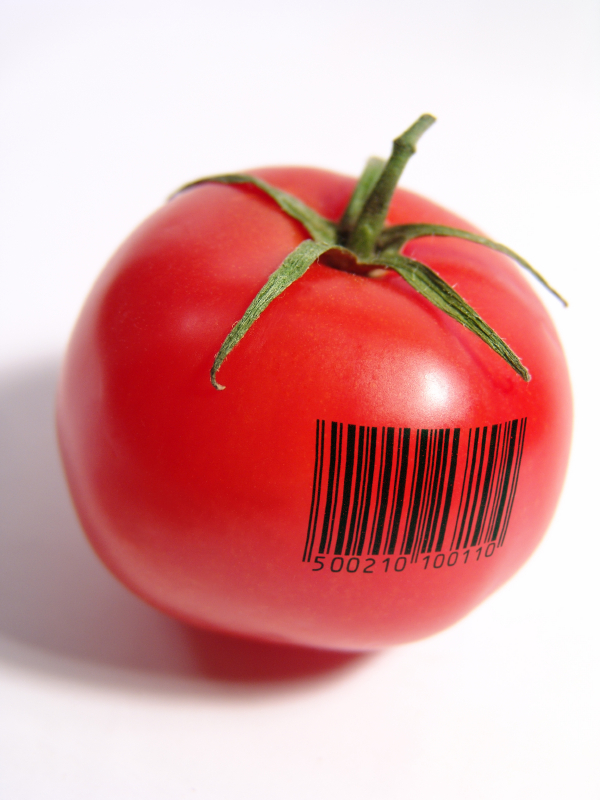
Bientôt la fin du sticker sur agrumes et tomates, place au tatouage
19 July 2014
Framboise Adelita: A Game-Changer Poised to Dominate the Global Berry Market
For over a decade, Planasa has been a dominant force in the strawberry market, renowned for its innovative varieties. Now, the agricultural powerhouse is setting its sights on an ambitious expansion into the broader berry sector. This strategic diversification begins with raspberries, with plans to subsequently introduce blueberries and blackberries. At the forefront of this new endeavor is the **Framboise Adelita**, a variety that is already making significant waves and is projected to quadruple its global cultivation area.
Planasa’s journey into the raspberry market is rooted in their pioneering spirit, particularly their focus on developing varieties tailored for specific climatic conditions. Their groundbreaking program, initiated in 2012, introduced LUPITA and ADELITA, two raspberry varieties meticulously developed in Spain (Huelva) and Mexico. These varieties were engineered to address what Alexandre Pierron, a spokesperson for Planasa, identifies as the “greatest challenges for the raspberry sector currently”: extending shelf life and reducing production costs.
### The Adelita Advantage: Unlocking Off-Season Production and Enhanced Flavor
What truly distinguishes the **Framboise Adelita** is its classification as a low-chilling variety. This unique characteristic means it requires minimal winter dormancy, offering unparalleled flexibility in cultivation. This allows for year-round fruit production, a significant departure from traditional raspberry growing cycles.
In Huelva, Spain, for instance, Adelita planted in August begins yielding fruit continuously from December through April. Similarly, Mexican producers leveraging the Adelita variety can achieve consistent harvests between October and May. This extended fruiting period directly addresses the industry’s long-standing goal: “to have quality fruit for a much longer period, while being able to increase off-season production volumes, when there is normally a shortage,” explains Pierron.
This off-season availability is particularly lucrative for growers. During these typically supply-constrained months, raspberry prices can soar, reaching as high as €12 per kilogram. The Adelita variety not only capitalizes on this market demand but also enhances the consumer experience.
The flavor profile of Adelita is another compelling factor. Raspberries harvested during the winter months mature more slowly, a process that imbues them with a notably sweet and intense taste. This superior flavor, coupled with impressive fruit size, further solidifies Adelita’s market appeal. Adelita fruits typically weigh an average of 10 grams, with some reaching up to 14 grams, a substantial advantage over many existing varieties that average around 5 grams. Lupita, another Planasa offering, boasts fruit weights between 8 and 10 grams.
### Global Adoption and the Shifting Landscape of Berry Cultivation
The efficacy of the **Framboise Adelita** is already being recognized across key agricultural regions. In Tunisia, the Sanlucar group has integrated this promising variety into its crop rotation as part of an ambitious expansion project. In Morocco, members of the Iberry group have trialed Adelita and, impressed by the results, are planning to significantly increase its planted area.
While Adelita’s influence grows, it’s important to note the established dominance of other varieties in Morocco, such as Cardinal, Sevillana, and Lusa, particularly those cultivated by the giant Driscoll’s, which holds a commanding position in Moroccan red fruit production.
The Moroccan red fruit sector is experiencing a surge in interest from local producers. Farms like Domaines Kabbage, Zniber, and Maisadour are shifting away from traditional crops like tomatoes and beans to embrace the burgeoning opportunities in berry cultivation, often in partnership with major players like Driscoll’s. Even the Azura group is reportedly exploring the expansion into soft fruit production, with a particular focus on blueberries, where cultivation area remains considerably limited in Morocco compared to strawberries and raspberries.
The increasing adoption of varieties like Adelita highlights a broader trend in global agriculture: the demand for consistent, high-quality produce year-round. This shift is driven by evolving consumer preferences and the need for growers to optimize their operations for both efficiency and profitability.
### Market Outlook and Future Potential
The strategic introduction and aggressive expansion of the **Framboise Adelita** by Planasa signify a deliberate move to capture a substantial share of the global raspberry market. By offering a variety that overcomes critical production hurdles – namely, the need for chilling and inconsistent supply – Planasa is not only addressing grower challenges but also responding to market demands for year-round availability and superior quality.
The success of Adelita in regions like Spain, Mexico, Tunisia, and Morocco underscores its adaptability and economic viability. As Planasa continues its rollout and aims to quadruple cultivation, the ripple effect on the global berry supply chain will be significant. This includes opportunities for new partnerships, increased trade volumes, and potential for innovation in post-harvest handling and logistics to maintain the premium quality of these off-season berries.
The focus on low-chilling requirements is particularly impactful for regions with warmer climates, enabling them to compete more effectively in the international market during months when traditional production areas are dormant. This democratization of off-season berry production could lead to more diversified global supply chains and greater price stability.
The future for **Framboise Adelita** appears exceptionally bright. Its combination of extended fruiting windows, robust flavor, impressive size, and reduced production costs positions it as a leading contender to redefine the global raspberry market. For growers seeking to enhance their profitability and for importers aiming to secure consistent, high-quality supply, Adelita represents a significant advancement in berry cultivation technology and a compelling investment opportunity. As the agricultural industry continues to innovate, Planasa’s commitment to varieties like Adelita is a clear indicator of the direction the market is heading.
For more insights into global agricultural trends and innovations, you can explore resources from organizations like the Food and Agriculture Organization of the United Nations (FAO)